
Check lawn conditions
We look for compaction, poor infiltration, thin turf, and other signs that aeration would be beneficial.
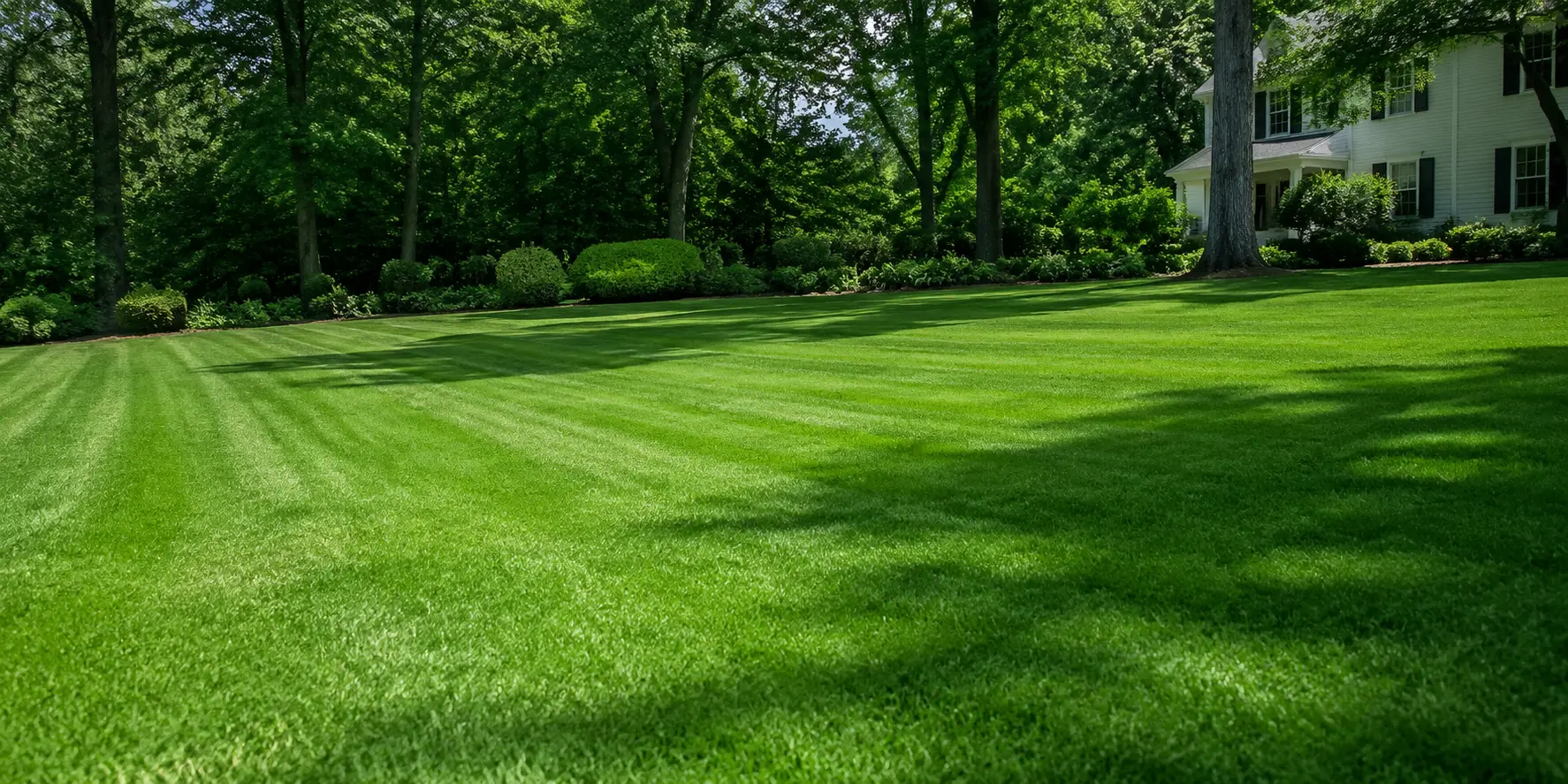
Relieve compacted soil and open pathways that help air, water, and nutrients reach the root zone.
Get Your Free EstimateFoot traffic, mowing equipment, weather, and naturally dense soil can compress the ground beneath your lawn. Professional core aeration in Somers, CT removes small plugs of soil to create channels for air, water, and nutrients, helping turf roots grow in a less restricted environment.
Aeration is especially useful where soil feels hard, water runs off instead of soaking in, or grass struggles despite regular care. It can also improve seed-to-soil contact when paired with overseeding. We time aeration around turf growth and property conditions so the lawn can recover and take advantage of the opened root zone.
Every lawn is different. We match recommendations to site conditions, seasonal timing, and the results you want to achieve.
We look for compaction, poor infiltration, thin turf, and other signs that aeration would be beneficial.
A machine removes small soil plugs across accessible lawn areas, opening the root zone without tilling the property.
Cores break down naturally. Proper watering and seasonal nutrition help turf respond after service.
Core aeration uses hollow tines to remove small plugs of soil and thatch. The openings reduce compaction and improve exchange of air and water around turf roots.
Many lawns benefit annually, while lightly used lawns with good soil may need it less often. Heavy clay, traffic, and recurring compaction can justify a more consistent schedule.
Often, yes. The openings improve seed-to-soil contact and create favorable places for germination, making aeration and overseeding a useful combination for thin lawns.
No. Leave the plugs on the lawn. They break apart naturally through rainfall, mowing, and normal activity, returning soil and microorganisms to the surface.
Tell us about your property and we’ll recommend a plan designed for Connecticut’s climate.