
Evaluate the lawn
We identify thin areas, site conditions, and likely causes before recommending seeding.
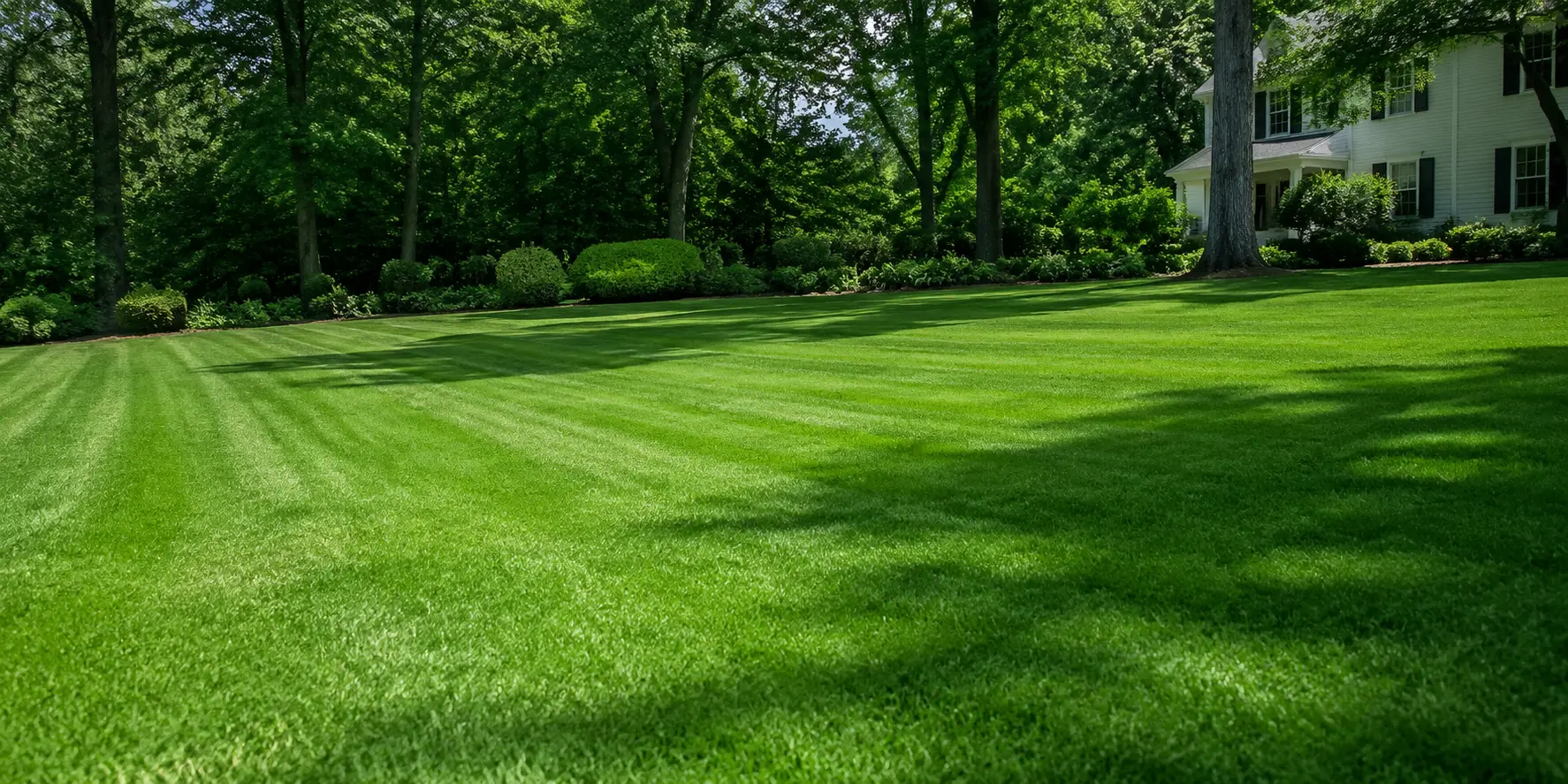
Establish thicker turf and repair thin or bare areas with seed selected and placed for Connecticut growing conditions.
Get Your Free EstimateThin turf gives weeds room to spread and leaves soil vulnerable to heat, erosion, and everyday wear. Green Carpet Lawn Care provides professional lawn seeding in Somers and nearby Tolland and Hartford County communities, placing quality seed where it can make direct soil contact and develop strong roots.
Successful seeding is more than scattering seed over the surface. We consider the condition of your turf, sunlight, moisture, soil, and the best seasonal window for germination. The result is a practical seeding plan designed around your property—not a one-size-fits-all bag of seed.
Every lawn is different. We match recommendations to site conditions, seasonal timing, and the results you want to achieve.
We identify thin areas, site conditions, and likely causes before recommending seeding.
Seed is distributed with attention to coverage and soil contact so it has a better opportunity to germinate.
We explain watering and early care so young grass can develop without being washed away or allowed to dry out.
Late summer into early fall is often the best window because soil remains warm while air temperatures become more favorable. Spring seeding may also work in the right situation, although weed pressure and summer heat can complicate establishment.
Timing depends on the grass variety, soil temperature, moisture, and weather. Some varieties begin germinating in about a week, while others may need two to three weeks or longer.
New seed generally needs light, consistent moisture so the seedbed does not dry out. The exact schedule depends on rainfall, temperature, soil, and sun exposure, so we provide property-specific guidance.
Yes. Overseeding can improve density in an existing lawn when seed reaches the soil and the underlying cause of thinning is addressed.
Tell us about your property and we’ll recommend a plan designed for Connecticut’s climate.