
Assess current conditions
We consider turf color, density, growth, weather, and the property’s treatment history.
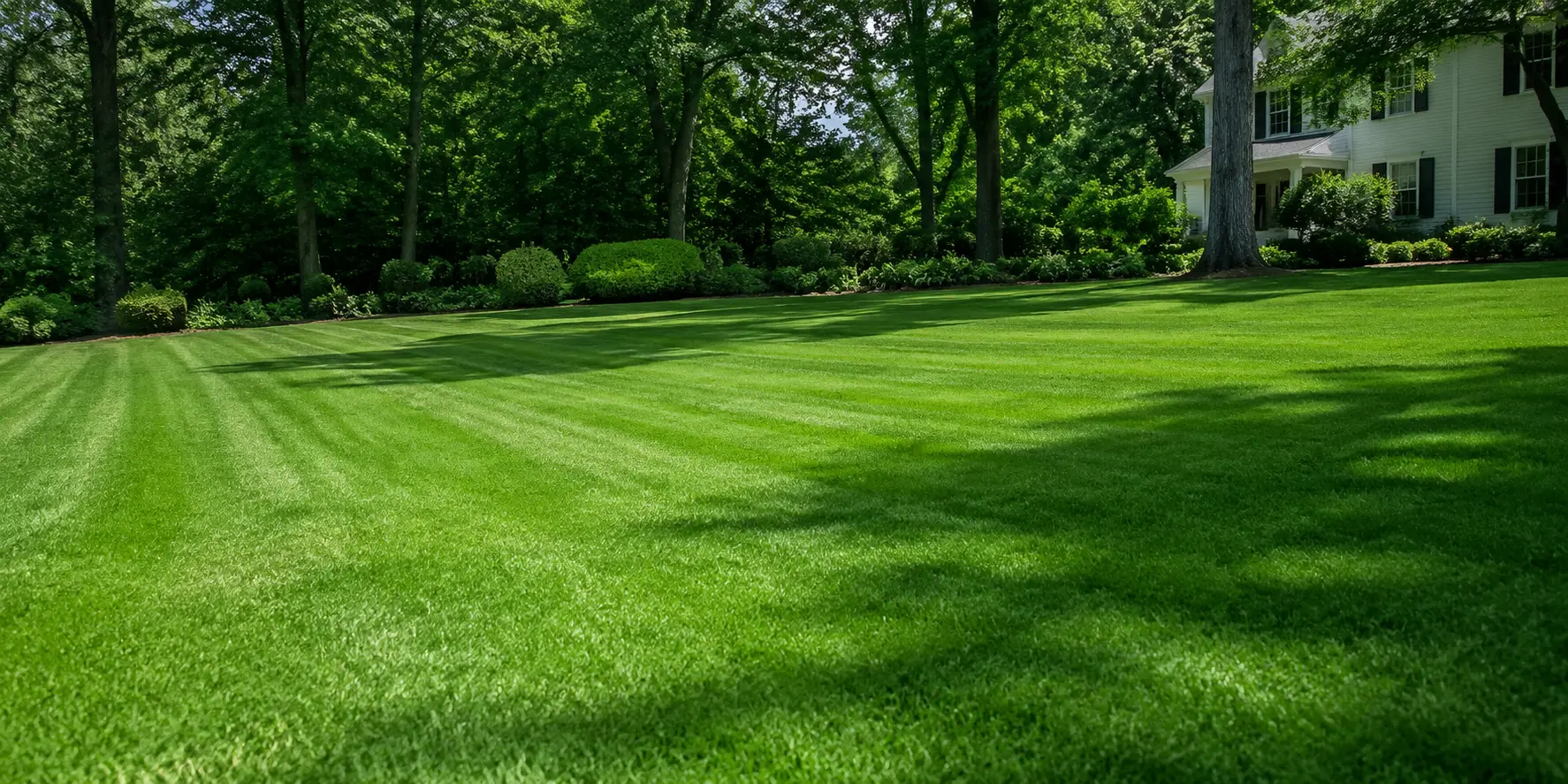
Deliver balanced, slow-release nutrition through the growing season with winter support for Connecticut roots.
Get Your Free EstimateConnecticut turf needs different support as weather and growth patterns change. Green Carpet Lawn Care provides seasonal lawn fertilization in Somers and surrounding communities, using properly timed applications to promote color, density, root development, and resilience without relying on a single heavy feeding.
Our program follows the lawn through spring green-up, active growth, summer stress, fall recovery, and winter preparation. Slow-release and balanced nutrients help produce steadier growth, while each visit creates an opportunity to observe changing turf conditions and address emerging needs.
Every lawn is different. We match recommendations to site conditions, seasonal timing, and the results you want to achieve.
We consider turf color, density, growth, weather, and the property’s treatment history.
Each application is selected and timed for the lawn’s needs during that part of the Connecticut growing cycle.
We watch the lawn’s response and account for issues such as weeds, insects, disease, and moisture stress.
Most established lawns benefit from several properly timed applications across the growing season rather than one large application. The right schedule depends on turf condition, goals, and site factors.
Slow-release nutrition feeds grass more gradually, supporting steadier growth and reducing the surge-and-decline pattern associated with overly aggressive feeding.
Summer applications must account for heat, rainfall, turf condition, and the product being used. A professional program adjusts nutrition to avoid pushing stressed grass too hard.
A late-season application emphasizes nutrients that support roots, cold tolerance, and spring green-up rather than excessive top growth.
Tell us about your property and we’ll recommend a plan designed for Connecticut’s climate.